

The Psychology of Tranquility: How Interior Design Impacts Your Mood
Chelsea Chavis | March 13, 2026
Your environment is not just a backdrop to your life - it is an active participant in your emotional and mental well-being. The colors you see, the lighting you experience, the textures you touch, and even the layout of your furniture subtly influence your mood every single day.
At Chavis Concepts & Designs, we believe that interior design is more than aesthetics - it is psychology in physical form. When a space is intentionally designed as a healing environment, it supports clarity, reduces stress, and restores balance. Here’s why your space matters more than you think.

The Subconscious Science Behind Space and Emotion
Whether you realize it or not, your brain constantly scans your surroundings for cues of safety, comfort, or stress. Cluttered environments can elevate cortisol levels, while open, organized spaces signal calm and control. This reaction happens automatically, long before conscious thought.
When a home feels chaotic, your nervous system mirrors that tension. But when a space feels balanced and harmonious, the body shifts toward relaxation. Design becomes a tool not just for beauty, but for emotional regulation.

The Emotional Power of a Thoughtful Palette
Color psychology is a powerful element of wellness-centered design. Warm neutrals promote grounding, soft greens restore calm, and muted blues encourage relaxation. Overly saturated or harsh colors can subconsciously create agitation or overstimulation.
Intentional color selection supports the emotional function of each room. A bedroom designed for serenity should not carry the same energy as a workspace meant for focus. Balanced interiors align color with purpose.

Why Natural Light Is a Wellness Essential
Lighting affects not only mood but also sleep cycles and productivity. Natural light helps regulate circadian rhythm, boosting serotonin during the day and supporting melatonin production at night. Poor lighting, on the other hand, can increase fatigue and irritability.
Layered lighting design - ambient, task, and accent - allows a space to adapt throughout the day. Wellness-centered interiors use light intentionally to mirror the body’s natural rhythm.

Visual Noise Equals Mental Noise
Every visible object competes for your attention. When too many items fill a space, the brain works harder to process stimuli, leading to stress and reduced focus. This phenomenon is often described as cognitive overload.
Minimalism isn’t about emptiness - it’s about intentionality. Thoughtfully curated spaces allow the mind to rest. When your environment is clear, your thoughts become clearer too.

Why Spatial Harmony Matters
The way furniture is arranged impacts how freely you move - both physically and emotionally. Tight walkways and blocked sightlines can subconsciously create tension. Open flow signals ease and accessibility.
Strategic layouts promote comfort and connection. A room that flows naturally feels inviting rather than restrictive. Design that considers movement creates both functional and emotional balance.

Biophilic Design and Human Well-Being
Humans are biologically wired to respond positively to nature. Incorporating wood, stone, greenery, and organic textures can reduce stress and improve overall mood. This approach, often called biophilic design, reconnects indoor living with natural environments.
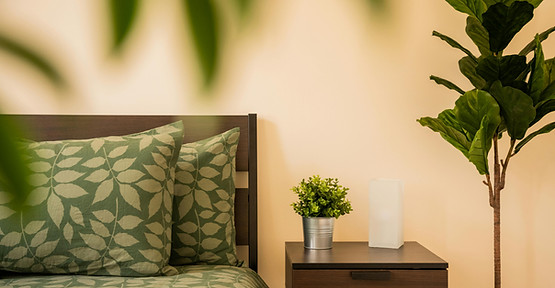
Even small additions - a plant, natural fibers, or textured materials - can make a noticeable difference. Nature softens spaces and restores equilibrium.
Identity Is the Final Layer of Tranquility
A space that reflects your identity fosters belonging and emotional safety. Meaningful artwork, personal photographs, and intentional decor deepen connection to your environment. Without personalization, even beautiful spaces can feel empty.
Healing interiors are not trend-driven - they are story-driven. When your home reflects your values and experiences, it becomes a sanctuary rather than just a structure.

Interior design is not simply about what looks good - it’s about how you feel when you walk into a room. The psychology of tranquility proves that environment shapes mood, energy, and long-term well-being.
At Chavis Concepts & Designs, we specialize in transforming homes into personalized healing environments rooted in balance, comfort, and positive energy. When your space supports your emotional health, everything else begins to align.